If you’ve been requested to take an MRI scan, CT scan or X-ray from your doctor you may be thinking why this particular procedure was recommended. Each of them takes photos of the insides of the body. What’s the reason they can’t be interchangeable?
Modern diagnostic imaging is more like an instrument box. The information provided by each technique is different, and it will depend on the area of your body you’re studying and the medical question you’re trying to answer. The Wolfsburg Diagnostic Centre provides a variety of imaging methods to meet tests with various diagnostic requirements.
MRI Examines the body without radiation.
Magnetic resonance imaging, also known as MRI makes use of radiofrequency technology and magnetic fields instead of ionizing rays to produce detailed images. MRI can be used to view soft tissue joints, organs, joints and other internal structures. For example patients with joint problems may require information that is not accessible from an X-ray.
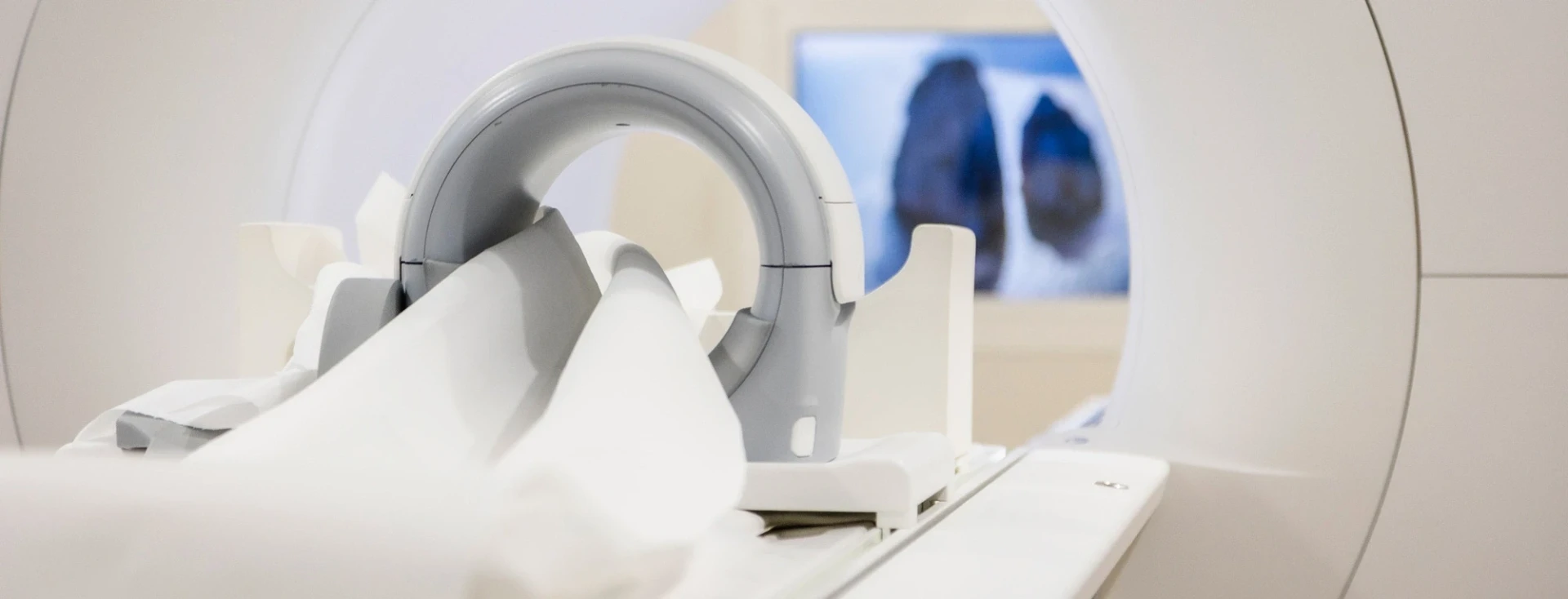
Image credit: diagnostikzentrum-wolfsburg.de
The Wolfsburg Diagnostic Center provides prostate MRI and full-body MRI exams. These applications make use of MRI’s capability to provide precise images without exposing the patient to ionizing radioactivity.
CT Creates detailed cross-sectional views
Computed tomography approaches imaging differently. CT imaging is created through the combination of X-rays and computer processing. CT images are produced in slices rather than a single image. This permits doctors to analyze specific medical concerns.
The center uses modern, low-dose CT technologies designed to minimize radiation exposure and collect the required diagnostic information. CT imaging is also useful for treatment. Periradicular treatment, also known as PRT is a specific injection therapy that utilizes CT guidance.
The Familiar X-Ray Still Has an Important Function
Technology advancement hasn’t made traditional radiography obsolete. Digital Xrays can be used in many situations, especially in situations where doctors need to study structures like bones. Modern digital systems also utilize less radiation than traditional methods.
Sometimes, the most difficult test isn’t the most appropriate one. The most effective way to diagnose is by selecting technologies according to the clinical issue not only the most modern machine.
Breast Imaging Has Its Own Particularized Technology
Mammography is specially designed for breast-related diagnostics. In addition to standard mammography and MRI, the Wolfsburg Diagnostic Center offers 3D mammography. It is also referred to as tomosynthesis. The technology creates multiple images that can then be reconstructed to create a layered image of breast tissue. It is essential to employ specialized imaging because different parts of the body have different issues for diagnostics.
An image that is new can be made more useful by using an old one
A scan that you undergo today can reveal crucial information on your body. Exams that have been conducted previously can be very valuable.
Medical professionals can evaluate the modifications in the past if they have access to older images and medical results. This is more effective than interpreting the results of a recent examination solely. It’s the reason patients are encouraged to bring any previous images or medical records to appointments as frequently as feasible.
It is better for patients to understand the technology once they are able to use it.
The Wolfsburg Diagnostic Center is a combination of MRI as well as CT with digital X-rays, 3D mammography and image-guided treatments. Its focus is on patient communication and coordination. For additional information, click here CT Wolfsburg
The center offers patients clarified explanations for the exams as well as medical procedures. Educational videos are also offered. Quick waiting times and coordinated scheduling are an integral part of the clinic’s approach. Modern diagnostic medicine is dependent on modern technology, but scanners shouldn’t be considered an uninspiring technical process.
Knowing the reason for why a certain test was selected and the expected outcomes can help patients be more informed and make the latest medical technology appear easier to comprehend.