A powerful side by side can transport equipment, pull supplies and manage demanding trails. A single stretch of waterlogged or deep snow can shut down everything.
Sometimes it’s not the horsepower that causes problems. Sometimes the tires simply cannot evenly distribute the weight of the machine or have enough traction to make the machine move forward.
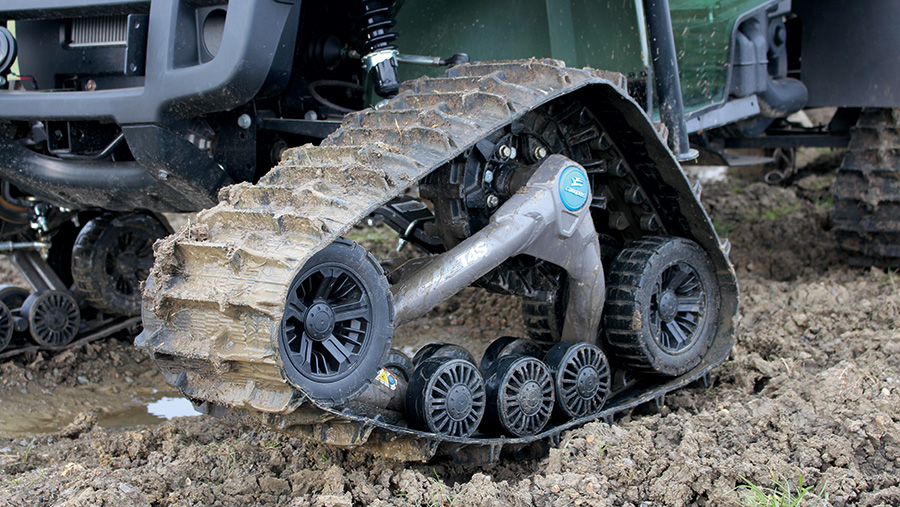
UTV tracks can be an ideal choice. UTV tracks alter the way your vehicle interacts with its surroundings and allow you to get into areas otherwise unaccessible due to winter conditions or mud.
Traction is not the same as Flotation.
Aggressive tires can increase grip, but they place the vehicle’s weight in four small contact areas.
UTV track systems distribute the weight over a larger footprint. This reduces ground-pressure and allows the machine to move over hard snow and soft soil without sinking.
Practical work requires a difference. An owner of a property may have to come near a fence not accessible after sleet. A farmer may need to travel through a pasture that is muddy without making deep ruts. Anyone who is responsible for maintaining trails on rural land may need dependable access during spring winter thaw. Tracks can help in completing these tasks and lessen the risk of damage to fragile terrain.
The Right System Depends on Your Machine
Not all tracks for UTVs are designed for identical vehicles or workloads. ATVtracks.net offers four tracks of Camso and Kimpex. The Camso 4S1 is specifically designed for full-size side-by-sides that are in the 400-1000cc size range.
The Kimpex HD4 supports machines within its published capacity of up to 4,000 pounds, while the Kimpex WSS4 follows its own manufacturer-specific compatibility list.
These categories are just starting points and are not a guarantee of their suitability. Before purchasing side-by-side tracks, confirm your vehicle’s model, make, and year. Even similar machines might need different hardware for mounting.
There are trade-offs for greater accessibility
Tracks make it easier to access the terrain, but they won’t make a UTV easier or cheaper to run. According to manufacturer planning figures certain systems can cut travel speeds by 30-35% when compared to tires. Additional rotating weights and resistance can also raise the consumption of fuel of vehicles, and place additional stress on their drivetrain.
Utilizing low range in extreme or severe conditions, restricting the speed of sustained use, and following the instructions of the vehicle manufacturer will help to manage the requirements.
Rubber tracks also wear quicker when operated continuously on abrasive gravel or pavement. Although the current systems were designed for use in all seasons, their performance is best when used on the right terrain.
Budget Units Above the Track
High-quality side by side track systems represent a substantial investment. ATVtracks.net provides systems at costs starting at $6,000 and going up to $13,000 based upon the layout and intended usage.
The track units themselves aren’t the whole installation. Other components, such as mounting hardware for your vehicle as well as anti-rotation hardware, hubs or spacers could be needed. Buyers are advised to verify the full list of components prior to placing an order instead of believing that the price advertised for starting will cover everything.
Buy for the Conditions You Actually Face
When a track system is the most effective solution to a problem that keeps running into the same spot, it makes sense.
If you regularly find yourself stuck in deep snow, meadows that are muddy, grassy areas, or in challenging conditions during the season, trails can assist your tandem complete more of the work. If you’re only using your side-byside for recreation purposes on trails that are firm the cost of maintenance could not be justified.
ATVtracks.net one of the leading providers of track systems has helped owners decide on, install and maintain track systems for over two decades. Its team can help confirm the compatibility of the track and determine the parts required for a specific car.
Take note of the frequency at which your machine can get stuck or stutters, and the specific terrain producing it, and if an improved flotation system can have a positive impact.
The correct tracks may not remove every obstacle in the terrain. They can however transform an old side-by-side sitting idle during tough conditions into a piece of equipment that you are able to continue using in the times when accessibility is crucial.