A decrepit wastewater liftstation is located in a municipal. Pumps are advancing towards the end of their useful lives, controls require modernization, and the access hatch has to be replaced. However, the concrete wet well is solid and sturdy.
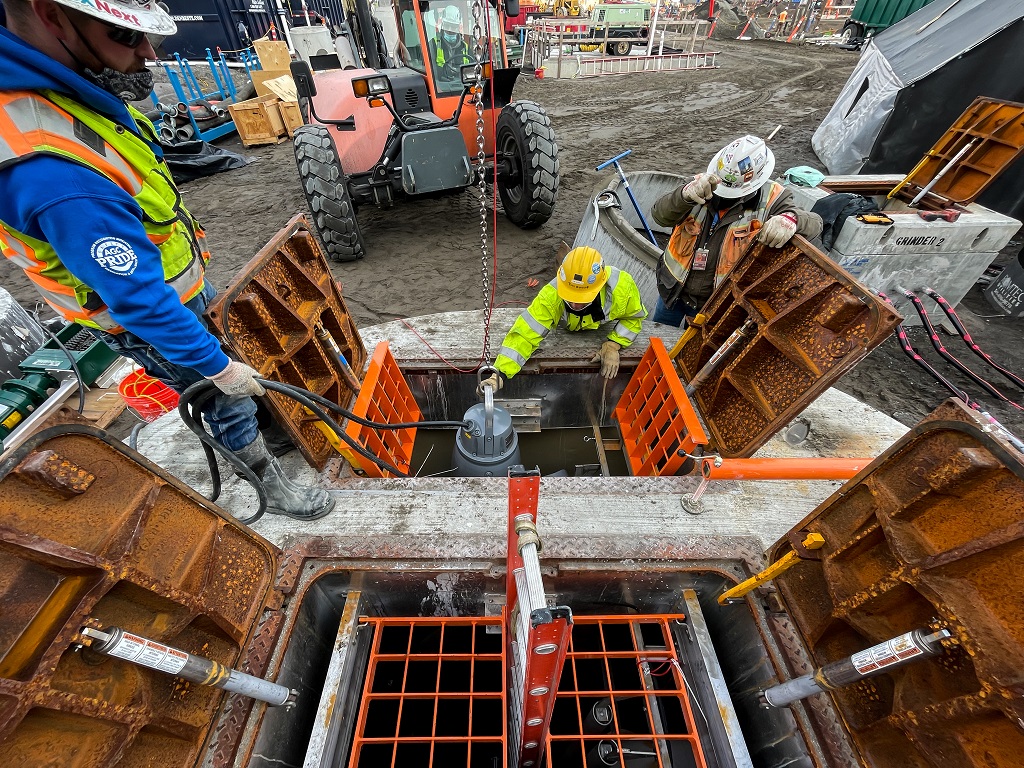
Image credit: romtecutilities.com
Do you think the station should be completely demolished and rebuilt? Not necessarily. One of the most important questions to ask is whether the current infrastructure will be able to support the pumping system of current standards without compromising reliability and capacity.
A well-designed retrofit of a pump station can help preserve the infrastructure’s value while replacing parts that are no longer in compliance with operating requirements.
Start with the Structures Nobody Would Like To Replace
Wet wells can be the most expensive and difficult component to replace as they are constructed underground and attached to existing pipes, and essential to the collection of wastewater.
A concrete structure that is functional can minimize the digging and construction.
But, any deterioration in the vicinity of the access hatch could affect the decision. Romtec Utilities says that wet well hatches can be replaced in retrofits. Rather than attaching a new hatch to a damaged concrete structure or replacing the entire top slab may offer a more long-lasting solution. This approach can be employed to increase accessibility and enhance the structure’s usability without the need to replace the entire wet well.
An improved pump changes the engine
Imagine that the area of residence has grown significantly since the original lift station installation. The existing pumps might not be able to deal with the increasing flow of wastewater.
The upgrade of a pumping unit could be accompanied by higher horsepower equipment, however this can’t be accomplished without considering the whole system. Pumps with greater horsepower could require adjustments to the discharge elbows and pipes as well as electrical controls, valves and other components.
Engineers should also consider the hydraulic needs of the system. This is a consideration for flow as well as total dynamic pressure. In the event of installing a larger pump, not studying these factors can lead to problems with operation rather than addressing these. The planning for future expansions at the time of the initial design phase will make it much easier to build in the future.
Make sure the wastewater is moving during Construction
A wastewater pump station retrofit introduces a challenge that ordinary equipment replacement projects may not face: the station may need to remain operational throughout construction.
It is still a problem for wastewater to enter the system even when contractors are working. Based on the nature of the project temporary bypass pumps might be required to ensure services during removal and the installation of existing equipment.
Romtec Utilities tackled this type of challenge in the Federal Law Enforcement Training Center in Brunswick, Georgia.
The project required the replacement of two old wastewater lifting stations, and operating the facility. Specialized engineering on site packages, bypass pumping techniques allowed for the existing station footprints and operational needs. This illustrates the importance of taking time to think about the sequence of construction before constructing.
If you think replacement is the better alternative
Some stations may not be suitable for rehabilitation. A severely deteriorated wet well insufficient structural capacity or significant changes in hydraulic requirements might make a the sewer lift station replacement more appropriate than modifying the existing system.
When making a choice, it is important to consider the structural condition of the building, its compatibility equipment, its accessibility to construction, the continuity of services and long-term needs. Romtec Utilities starts retrofitting and replacing projects by identifying elements that will remain as well as those that require to be replaced.
The company will then create custom-designed engineering plans including budget estimates, site-specific designs, and preliminary designs. Prefabricated parts can also help organize installation and reduce some on-site construction requirements.
The work isn’t over when the pumps kick in
The modern lift station must work as a whole. Prior to returning a lift station to normal operation, initial testing, commissioning, and equipment verification are necessary to verify that all pumps, controls and the related equipment function as designed.
Training and manuals for operators are equally vital. Maintenance personnel should be familiar with the new equipment and operating procedures, in addition to the necessary documentation prior to taking charge of the station.
A successful retrofit helps preserve the infrastructure that is still valuable and addresses the shortcomings that led to modernization being necessary.
Municipalities and owners of facilities must be aware of the need for more than just immediate repairs. The most successful plan is one that integrates new equipment with existing structures, ensures vital service throughout construction, and also prepares the pumping system for years of continued operation.