Pay-per Use Equipment Finance, in the ever-changing world of manufacturing finance is emerging as an innovative force that reshapes traditional models, and provides businesses with unimaginable flexibility. Linxfour is in the forefront of this transformation by leveraging Industrial IoT in order to bring a completely new style of finance that is beneficial to both the equipment manufacturer and the operator. We analyze the intricacies of Pay Per Use financing and its impact on sales under challenging conditions. For more information, click IFRS16
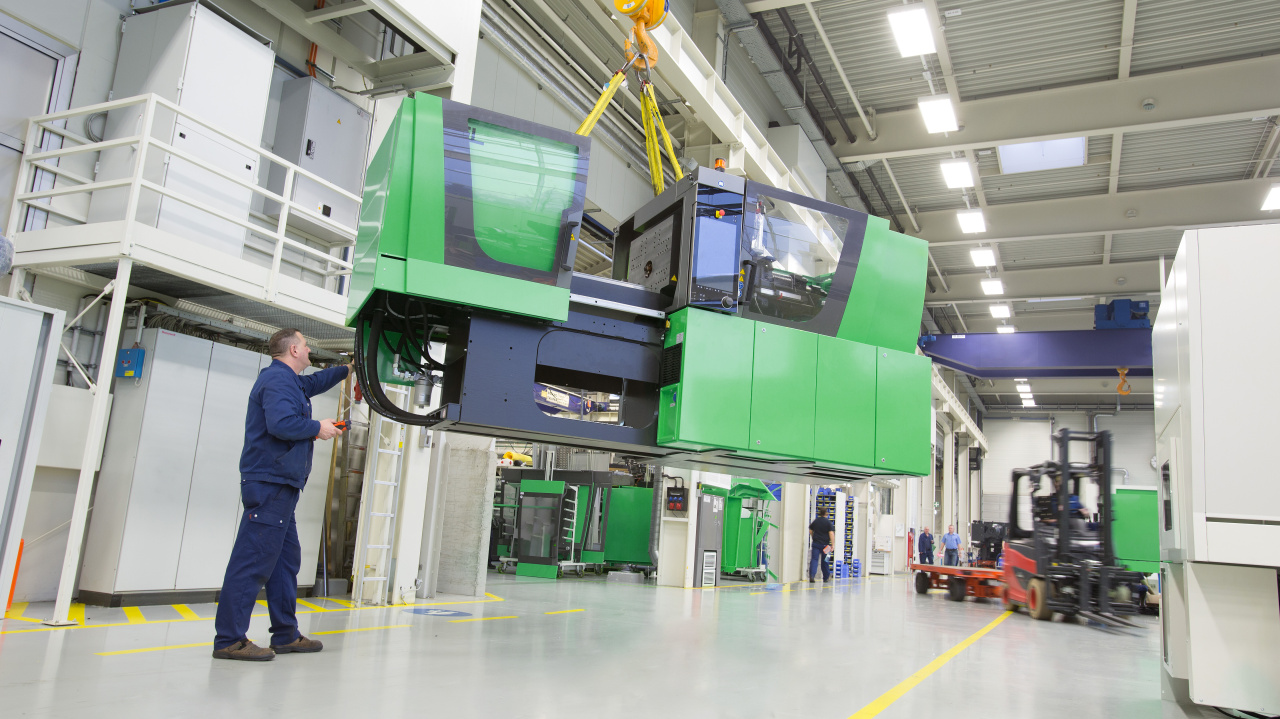
Pay-per-Use Financing: The Potential of It
Pay-per-use financing is fundamentally a game changer for companies. Instead of rigid fixed-priced payments, companies pay based on the usage of their equipment. Linxfour’s Industrial IoT Integration ensures accurate monitoring, transparency, and avoids fees or hidden costs when the equipment is not in use. This groundbreaking approach increases the flexibility of cash flow management, particularly crucial during periods that see fluctuating demand from customers and low revenues.
Impact on Sales and Business Conditions
The overwhelming majority of equipment makers is proof of the value of financing through Pay-per Use. In spite of difficult economic conditions 94% of equipment makers believe this approach will improve sales. The ability to link costs directly with usage of equipment not only attracts businesses looking to reduce spending, but also results in a win-win for manufacturers, who could offer better financing options to their clients.
Shifting from CAPEX to OPEX: Transformation of Accounting
The accounting aspect is a key difference between traditional leases and Pay-per-Use finance. With Pay per Use, companies undergo a major change by shifting their focus from capital expenses (CAPEX) to operating expenses (OPEX). This can have a significant impact on financial reporting because it offers a more accurate view of the costs associated with revenue.
Unlocking Off-Balance Sheet Treatment under IFRS16
Pay-per Use financing offers the advantage of traditional financing since it permits an off-balance sheet treatment. This is a key issue in International Financial Reporting Standard 16(IFRS16). Businesses can cut out these debts by converting equipment financing costs. This not only reduces the amount of financial leverage, but it also eliminates barriers to investment and makes it an appealing idea for businesses seeking an agile financial structure.
In the case of under-utilization, KPIs can be improved and TCO can be increased.
Pay-per Use model, in addition to being off balance sheet, is also a key factor in improving key performance indicators, such as cash flow, free and total cost of Ownership (TCO) particularly when there’s a lack of utilization. Lease models constructed on the basis of traditional methods may create problems when equipment is not used according to the plan. Pay-per-Use allows businesses to not pay fixed amounts for assets that are not being used. This helps improve overall financial performance as well as their overall performance.
The Future of Manufacturing Finance
As companies continue to navigate a complex economic landscape that is rapidly changing, new finance methods such as Pay-per-Use can set the foundation for a more flexible and stable future. Linxfour’s Industrial-IoT-driven model not only benefits the bottom line of equipment owners and manufacturers, but it also aligns with the broader trend of businesses that are seeking more sustainable and flexible financial solutions.
Conclusion: The introduction of Pay-per-Use financing with the transition of accounting from CAPEX to OPEX and the off-balance sheet treatment under IFRS16 mark an important shift in the field of manufacturing finance. Businesses are striving for cost-effectiveness and financial scalability. Embracing this innovative financing model is a necessity to remain ahead of the curve.