Engineering would be significantly simpler if water was always arriving at the same pace.
It’s not.
The amount of wastewater that enters a residential system could vary over the course of the day. Industrial and commercial buildings can have operating peaks. Stormwater can change dramatically with weather conditions. The need for water that is clean also differs according to the application.
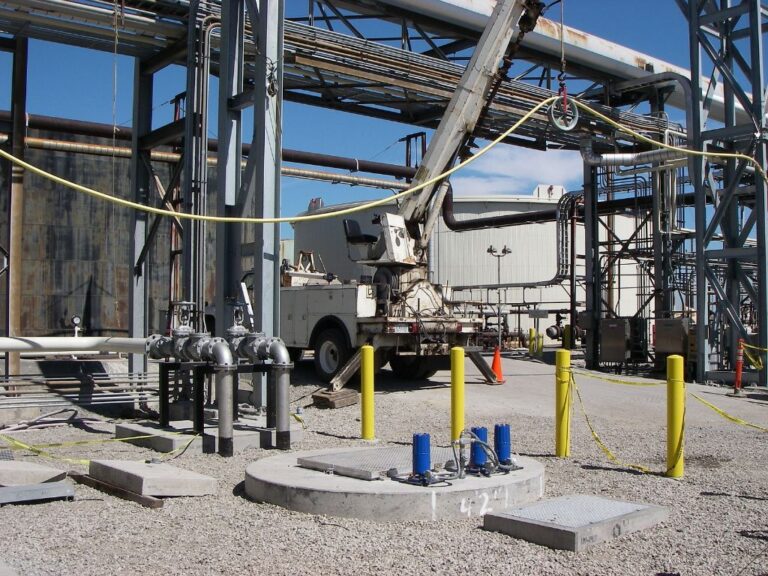
Image credit: romtecutilities.com
When designing the perfect pump station, it’s not only a matter of selecting the equipment that can be able to handle a particular flow. Engineers must be aware of what kind of environment the system will be exposed to.
Don’t just think about the capacity of your equipment, but also operational conditions
The flow rate is of course crucial however it is only one aspect of the station’s operation. Imagine that a system for wastewater treatment was developed to handle a huge volume of flow. Most of the time the flow coming in can be much lower. The station still needs to be operational during normal times.
This brings up questions about wet-well sizing, pump operation, control conditions, head, and how the equipment performs to demand fluctuations.
When creating a system for pumping packages It is crucial to take into account the requirements of the location and not just the capacity of the pump.
The rhythm of daily wastewater
A wastewater lift station servicing homes, businesses, or municipal infrastructure may be subject to changing influent conditions throughout the duration of its operation.
The station needs an appropriate control system that permits the system to turn on the pumps and collect the wastewater. Structural dimensions, pumps, valves, electrical components, piping and controls all play roles in the process.
Design could also incorporate additional considerations specific to the site. Romtec Utilities will incorporate any extra systems, including grinders, vaults, and odor-control systems when needed. The result is a station designed to meet the needs of the specific project rather than being a standard design that is which can be applied to all wastewater sources.
Stormwater can change much faster
A stormwater lift station may see relatively little activity during dry conditions and then face substantially greater inflow during a weather event. The station might be a component of a comprehensive flood-control plan or as a detention, treatment or drainage plan.
Romtec Utilities takes into consideration elements like the flow rate needed as well as head conditions, the system size as well as the requirements of the location and environmental concerns when designing these systems.
A station for a commercial project could, therefore, appear very different from one designed for a municipal stormwater application.
Head conditions are important along with Flow
Engineers need to be aware of what direction the water is headed and what obstacles they have to overcome. Engineers need to be aware of where the water will go, and what resistance to overcome by the pumping system.
Pumps can be operated at different head levels depending on the configuration of the system, including the piping or discharge conditions.
This relationship between flow and head is another reason to select an appropriate pump solely based on its rating is not enough. The technology of the pump and station configuration must be matched to the hydraulic requirements for the whole application.
Create the station to meet the conditions that it will have to endure
Romtec Utilities develops customized pumping systems for stormwater, wastewater clean water, booster, industrial, and various other applications. The process starts with initial design and budgeting, as well as plan sets systems, supplies for the system, documentation, starting and testing.
The principle of engineering that underlies it is simple: true pumps don’t have to spend their lives operating under one convenient set of conditions.
It is also important to consider specific hydraulic requirements of the project, and also the changing flow, demand and needs. It is essential to develop a station to cope with the challenges.