It was anything but tranquil when Megalodon’s tooth first found. It belonged to one of the biggest predatory sharks ever to inhabit the oceans of Earth. The tooth fell off. That would be it for the majority of things. If you have a fossilized dinosaur this could be the beginning of the story.
Fossil Driven’s specimens have gone traversed through a journey of geology that’s not measured in decades or years, but millions of years. This journey can change the way you see the fossil. It’s not just an intriguing object. You’re witnessing physical evidence of the world that was gone many years ago.
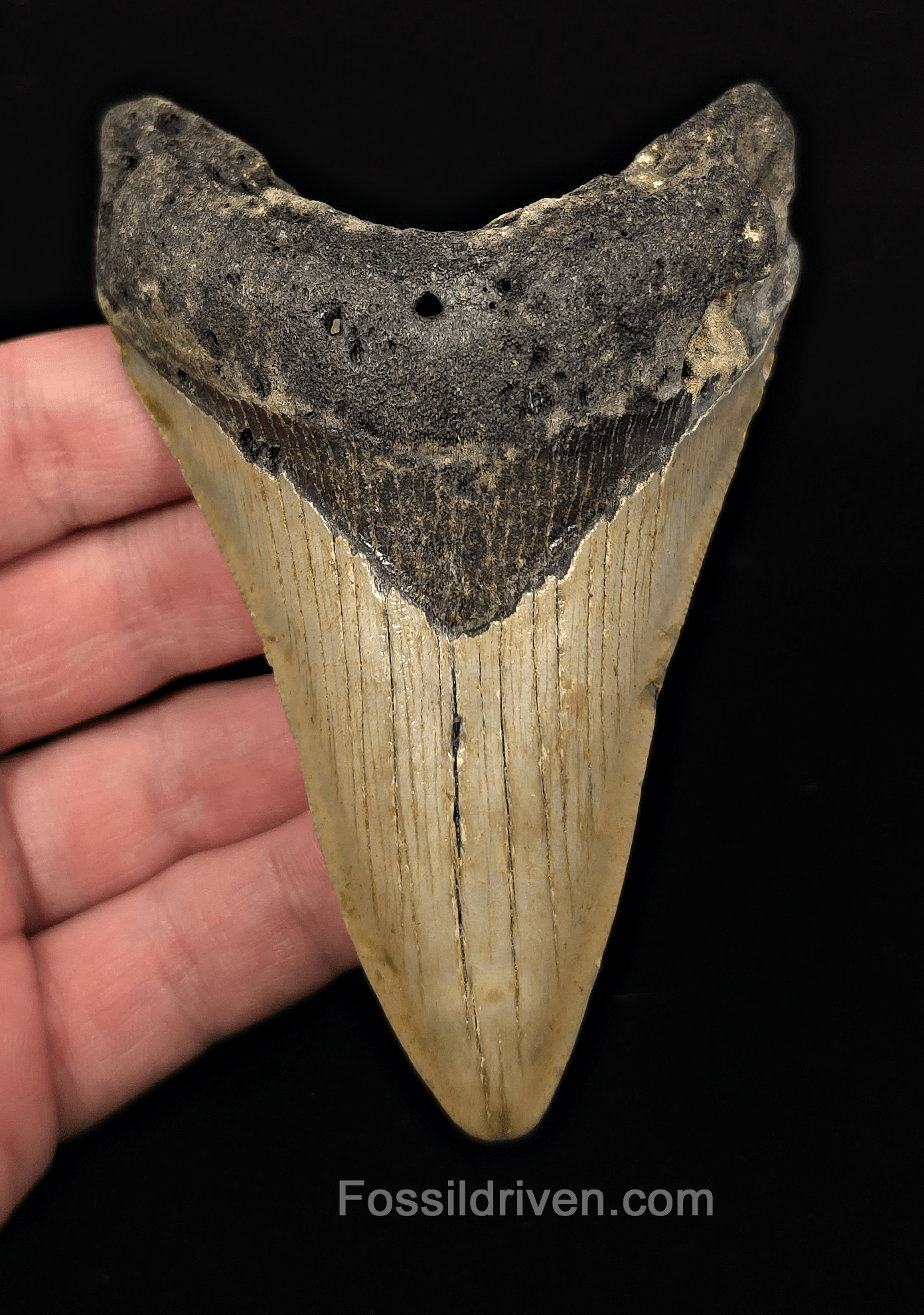
Image credit: fossildriven.com
The First Station: An Ancient Ocean
Look at the Megalodon Molars that are found in West Java, Indonesia. Around 20 million years ago, the regions of dry land we see today were warm marine habitats. Megalodons, in addition to many different marine species, resided in the oceans of the past.
Megalodon as modern sharks are still producing and loses teeth. Some of these teeth sank in sediments from the sea. Under the right conditions burial could protect them for so long that fossilization could occur.
Then, Geology took over
The next chapter moved incredibly slowly. Sediments built up. Minerals were able to react with the material that was buried. Geological forces altered landscapes, and even environments that had been underwater eventually became part of the present-day landscape. This is the reason why buyers observe that genuine fossil megalodons can be of various shades.
Indonesian specimens from West Java’s Miocene Bentang Formation can be seen in shades of gold or tan, as well as brown, red, and blue. They may also show many shades within a single tooth. The surrounding minerals can affect the appearance of fossils after it has been placed in a grave for a considerable period of time. Nature cannot replicate the results in large quantities. Each fossil has had its own geological story.
Discovery Begins a New Chapter
In the end, a fossil that was hidden for a number of many millions of years is discovered. Now, identification and documentation become crucial.
Collectors don’t just look at the appearance of megalodon teeth as they browse for them. Information on the location geochemical age preservation, repairs and restoration can help explain what they’re really looking at.
Natural wear is not a way to erase the historical significance of a fossil. The history of the fossil may be visible in a worn tip or an imperfect root or a serrated surface. It is crucial to represent its condition accurately.
Fossil Driven’s experience with fossil identification goes back more than 13 years. We collaborate with established fossil hunters as well as suppliers. Specimens are reviewed and described with pertinent information as often as is possible.
Then, the Fossil is found by someone’s hands.
People buy real Fossils for many reasons. Some collect carefully-categorized collections. Others are seeking to make a striking conversation piece. A child who is fascinated by fossils from the past could receive a first fossil, which can spark the process of developing a passion for paleontology that will last a lifetime.
Megalodons are but one of the many doors that connect us to our world. Dinosaur tooth and mosasaur teeth, trilobites and ammonites as well as mammoth, ammonite, and amber materials preserve diverse chapters in the history of Earth.
The greatest thing about being able to know that you’re dealing with authentic
A replica can reproduce the general form of a prehistoric tooth. It isn’t able to recreate its past. The Megalodon teeth were found in ancient animals that lived in a totally different habitat that we live in today. They survived changes to the earth’s geology, were buried for many thousands of years before being discovered.
This is the reason that authenticity is crucial. You are holding a specimen that has completed a truly amazing trip through the ages. The display case represents the latest stage.