The repetition of tasks is one of the major issues when dealing with artificial intelligence. A good AI assistant might provide a great response in one instant, only to lose the details in the following interaction. They will compensate by sharing the same information, files, or documents in order to maintain a productive conversation.
This approach is becoming less effective as AI becomes more common in software. Intelligent systems require the capability to store relevant information in a quick and efficient manner, as well as recognize changes in information’s structure over time. This is why memory is now one of the most important aspects of modern AI architecture.
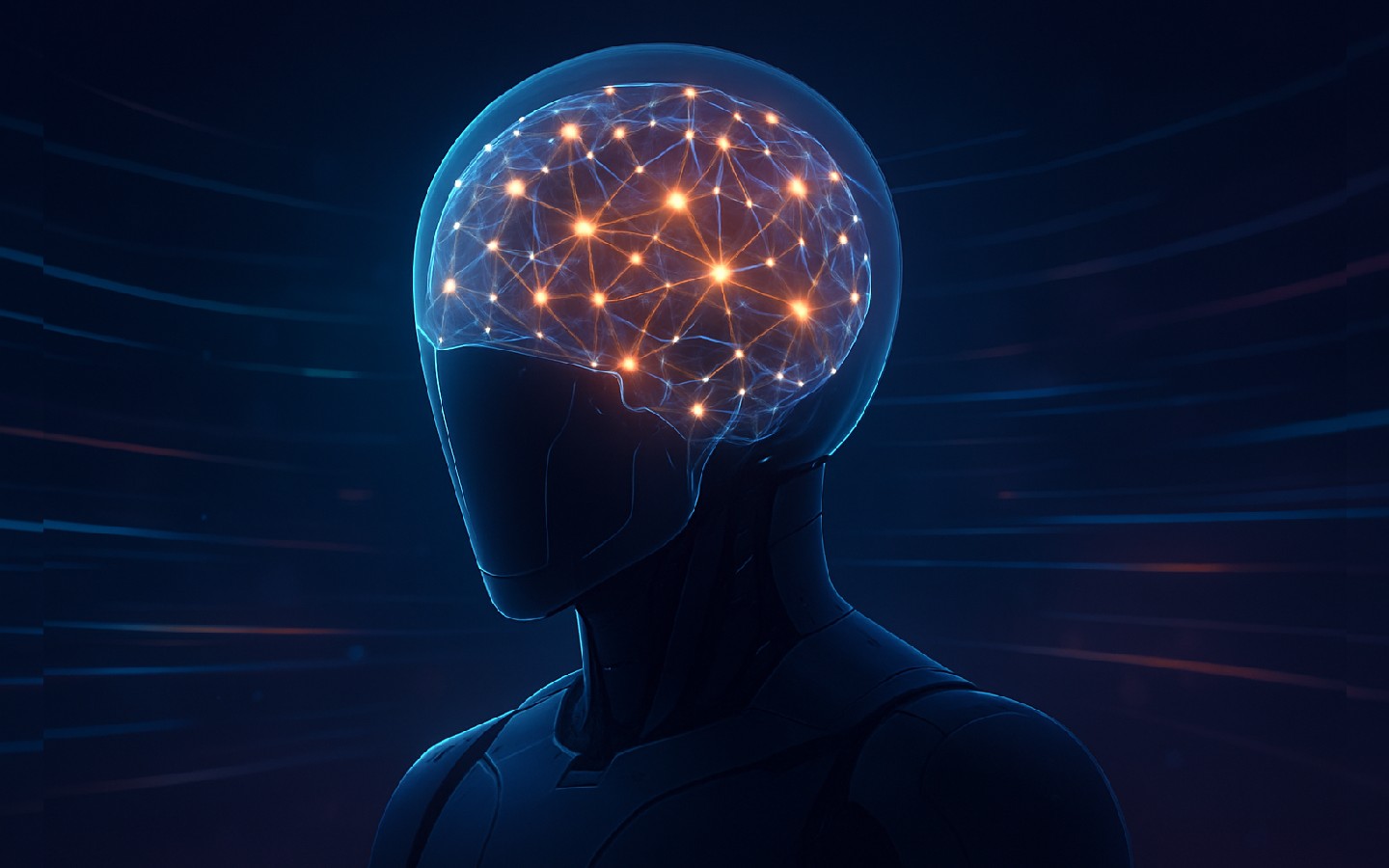
Memory transforms AI from being reactive to becoming intelligent
AI systems that can recall previous work will behave differently than those which start from scratch each time. Persistent Memory permits applications to discern patterns and analyze the ongoing work. They can also give answers that are based on the historical context instead of isolated requests.
Telys has been created to address this issue. Rather than functioning as another cloud service, it operates as an embedded AI agent memory engine that stores and retrieves information directly within the application. This enables developers to keep their context in check, while reducing redundant computations and processing. This leads to an AI experience that is more natural because the software is able to recall important information.
Localizing data improves speed as well as privacy
The speed of which an AI model can generate text is not the only way to measure the performance. Retrieval speed, system responsiveness, and data security are now equally crucial for companies that use AI in production.
By using on-device storage to store data for AI agents, applications can pull relevant information from servers and not have to constantly communicate with them. Since memory is kept within the local environment, queries can be executed faster and organizations have more control over sensitive data. This architecture is particularly valuable for teams of engineers developing internal software, enterprise applications and privacy-sensitive software where data ownership cannot be compromised.
Memory benefits developers because it functions in the background
In order to build intelligent software, you shouldn’t need to manage complicated infrastructures just to keep the context. Software developers prefer to use tools that seamlessly integrate into existing workflows, and don’t create an additional overhead for operations.
Local MCP memory servers enable this, allowing compatible AI environments to access permanent memories within the local ecosystem. AI assistants no longer need to transfer data over remote APIs. Instead, they can access the data they require from a local memory layer. This method simplifies the latency and creates a smoother experience for those working on massive projects that are constantly evolving their codebases.
AI can only be effective when it is constructed with the right context
Artificial intelligence has evolved from conversations that were simple to systems that are capable of planning, analyzing and completing tasks independently. These systems need more than just powerful models of language; they also require a reliable memory system that will preserve knowledge throughout every interaction.
Telys is an innovative AI memory engine that offers permanent local retrieval for applications that require speed, reliability and security. Telys incorporates the device-specific AI memory agent and a high performance local MCP memory services to help developers develop software that can remember previous work, retrieves data instantaneously and is improved over the duration of time.
The ability to recall correctly could be as crucial as the ability to think as AI gets more integrated into the business and product. Telys’ AI application development tool allows developers to create AI applications that are faster, intelligence, and usefulness in the workplace, by providing intelligent systems a permanent context instead of a brief conversation.